Living in a compact house or apartment often feels like a constant negotiation with physical space. When closet doors barely latch, kitchen counters double as mail sorting stations, and every flat surface collects miscellaneous clutter, the issue is rarely a lack of square footage. More often, it is a mismatch between the volume of belongings you own and the systems available to contain them.
Organizing a small home does not require expensive built-in cabinetry, rented storage units, or an aesthetic overhaul with matching containers. Instead, it requires establishing realistic storage limits, capturing underutilized vertical and concealed space, and building daily reset habits that keep belongings from drifting.
Here is a practical, step-by-step system to reclaim your living areas and maintain order over the long term.
1. Confront the Volume Problem Before Buying Storage
The most common mistake when tackling limited storage is purchasing bins, drawer organizers, and shelving units before editing what you own. Adding storage containers to an overcrowded space often consumes more physical room while merely shuffling excess items from one corner to another.
Run a Dedicated “Keep, Donate, Relocate” Audit
Before moving furniture or redesigning a closet, sort one self-contained zone at a time—such as a single medicine cabinet, linen shelf, or coat closet.
Divide the contents into three explicit groups:
-
Immediate Keeps: Items used weekly or monthly that have an active, defined purpose.
-
Donations / Discards: Duplicates, expired goods, damaged items, and belongings kept purely out of obligation or hypothetical future use.
-
Relocations: Functional items that belong elsewhere in the home but migrated due to convenience.
Apply the “Container Concept”
Think of your existing drawers, closets, and shelves as hard physical boundaries rather than flexible containers. If your hallway linen closet comfortably fits four bath towels and two sheet sets, that shelf defines your maximum inventory. When new items arrive, older or surplus items must exit to maintain the boundary.
2. Identify and Claim “Invisible” Storage Zones
Compact homes rarely provide walk-in pantries or deep hallway storage. However, they almost always contain underused vertical and recessed dimensions.
+--------------------------+-------------------------------------------------------------+
| Zone                     | High-Utility Storage Solution                               |
+--------------------------+-------------------------------------------------------------+
| Back of Interior Doors   | Over-the-door pocket organizers, shallow utility tracks     |
| Above Door Frames        | Single floating utility shelves for seasonal/infrequent goods|
| Under Bed Frame          | Low-profile rolling bins (look for 6–8 inch clearances)    |
| Vertical Wall Spans      | Tall, narrow shelving (84+ inches) rather than wide consoles|
| Inside Deep Cabinets     | Undershelf wire baskets, tiered risers, pull-out wire rails |
+--------------------------+-------------------------------------------------------------+
Optimize Vertical Clearance
Standard furniture often stops around chest or eye level, leaving several feet of empty wall space below the ceiling.
-
Replace short, wide bookcases or dressers with tall, narrow units that draw storage upward while preserving floor footprint.
-
Mount a single floating shelf above laundry appliances, bathroom doors, or interior entryways to hold spare paper products, backup linens, or out-of-season items.
Exploit Door Backs and Cabinet Interiors
Interior doors—including pantry doors, bedroom doors, and closet doors—provide significant hanging capacity without protruding into walkable walkways.
-
Use over-the-door racks with deep canvas or wire pockets for cleaning sprays, rolled cords, shoes, or hair tools.
-
Mount adhesive or screw-in hooks inside cabinet doors under the kitchen sink to hang dishwashing gloves, scrub brushes, and dustpans.
3. Room-by-Room Organization Strategies
Every area of a small house presents distinct functional demands. Focus your efforts on the highest-friction zones first.
The Entryway and Landing Strip
Without a mudroom or entry closet, bags, coats, and mail tend to spill immediately onto dining tables or living room seating.
-
Anchor a wall rack: Mount a heavy-duty coat rack with at least five to six hooks at adult eye level, plus a secondary row lower down for bags or children’s jackets.
-
Designate a catch-all bowl: Provide a single small dish or tray for keys, transit passes, and wallets. If the tray overflows, sort it immediately rather than sizing up.
-
Enforce a shoe cap: Place a narrow bench or low shoe rack near the door, allowing only two active pairs per household member. Store off-season footwear in sealed bins under beds or on high closet shelves.
The Kitchen and Pantry
Small kitchens suffer quickly when counter space is surrendered to storage.
-
Clear the counters: Store only daily-use appliances (such as a kettle or coffee maker) on countertops. Relocate mixers, blenders, and toaster ovens into lower cabinets or onto a utility cart.
-
Insert shelf risers: Kitchen cabinets often have wide, tall gaps between shelves. Wire shelf risers double the surface area for plates, bowls, and canned goods without stacking fragile items on top of each other.
-
Utilize magnetic wall strips: Mount a magnetic knife strip on the backsplash to free up the drawer or counter footprint traditionally occupied by a bulky wooden knife block.
The Bedroom and Wardrobe
-
Swap hangers for uniform slim profiles: Switching from thick plastic or wooden hangers to thin, non-slip velvet or wire hangers can instantly free up 20–30% of horizontal hanging rod space.
-
Adopt vertical folding: Fold shirts, athletic wear, and trousers vertically (file-folding) inside drawers rather than stacking them flat. This prevents piles from collapsing and lets you view your entire inventory at a glance.
-
Rotate seasons: In tight closets, off-season clothing should not share space with current daily wear. Vacuum-seal bulky winter coats or light summer dresses into flat storage bags that slide beneath bed frames.
4. Everyday Habits That Prevent Re-Cluttering
Storage systems fail when they demand too much effort to maintain. Keep your routine lightweight and practical.
-
The “One-In, One-Out” Guideline: When a new jacket, coffee mug, or book enters the house, pick an equivalent item to donate or recycle.
-
The 10-Minute Evening Reset: Before going to bed, return items to their designated homes. In a small space, five misplaced items can make an entire room appear chaotic.
-
Low-Friction Storage: If an everyday item requires unstacking two boxes and undoing a latch to put away, it will inevitably end up left on a table. Keep frequently used tools and supplies in open bins or on accessible hooks.
Frequently Asked Questions
What should I do if my home has no closets at all?
Invest in freestanding furniture that incorporates enclosed storage. A tall armoire or wardrobe conceals visual clutter much better than an open garment rack. Additionally, consider beds with integrated drawers or platform frames with sufficient clearance for under-bed storage containers.
How do I decide what to keep when everything feels important?
Start with duplicates and worn-out items, which carry little emotional weight. For ambiguous items, use a “quarantine box”: place questionable belongings into a cardboard box, date it for three months in the future, and store it out of sight. If you do not retrieve an item during that period, you can donate the box with confidence.
Are storage bins with lids better than open baskets?
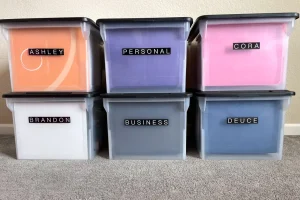
It depends on accessibility. Lidded, stackable bins are best for seasonal, archival, or infrequently accessed items stored on high shelves or in crawlspaces. Open baskets or bins work best for daily items, children’s toys, and laundry, as they eliminate the friction of removing lids during daily cleanups.
How can I make a small, organized space look less cluttered visually?
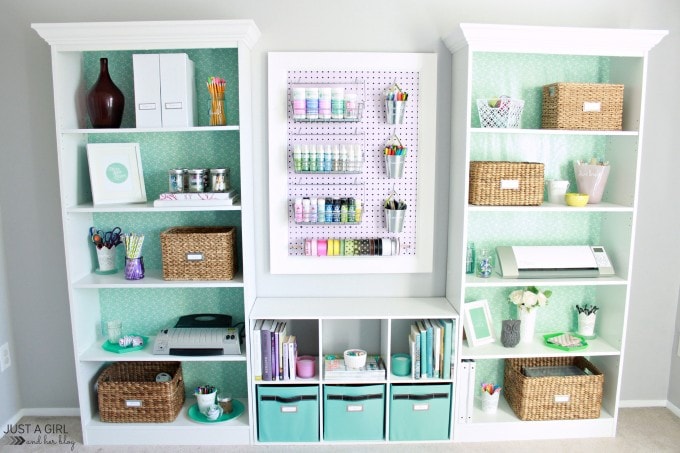
Limit open visual variety. Use opaque baskets or bins rather than clear plastic on open shelving so the contents remain hidden. Choose storage containers that match the wall or shelf color, and maintain consistent hanger types inside closets to create a clean, uniform line.