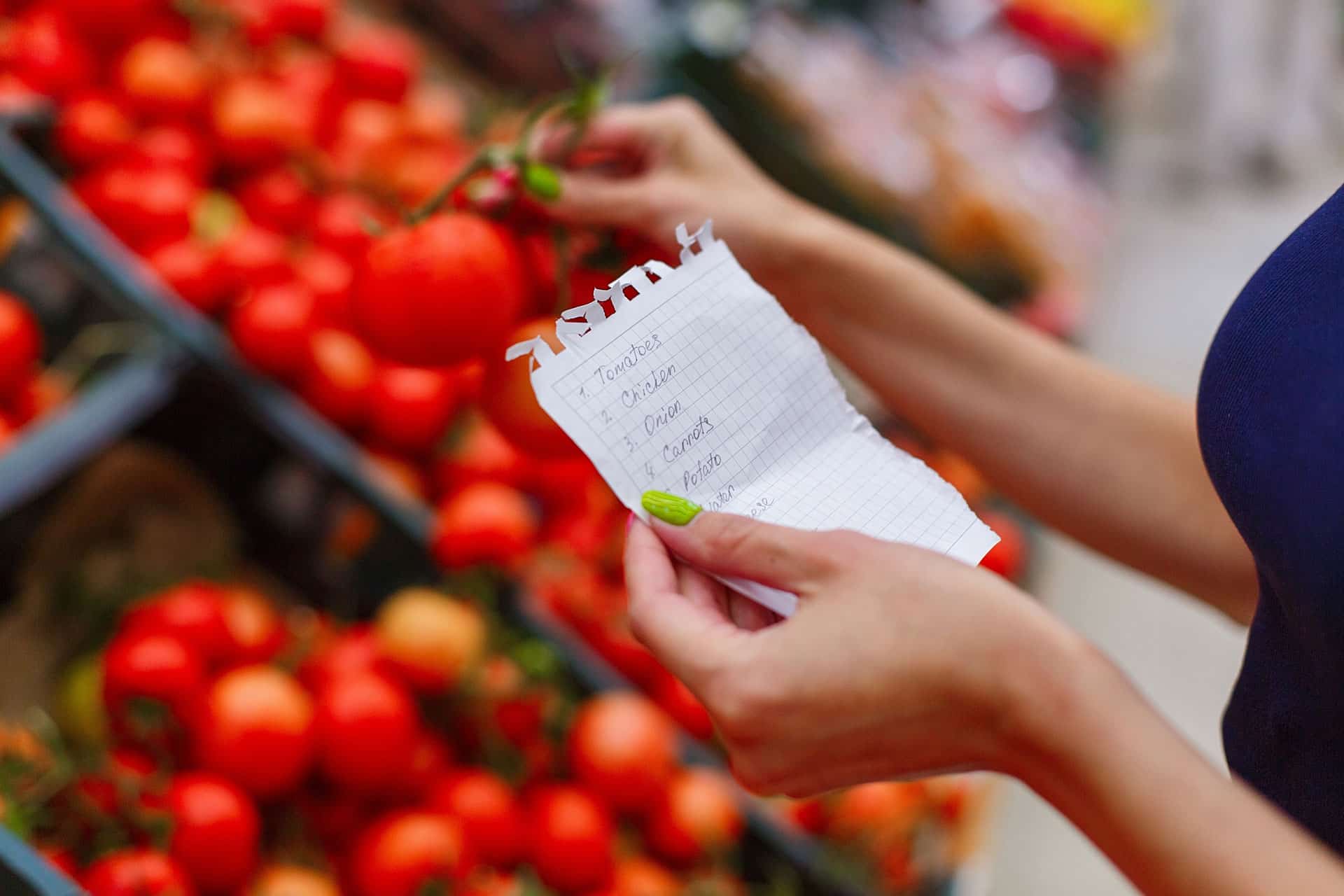
Most household food waste does not begin in the kitchen trash can; it begins days earlier in the supermarket aisles. We walk through produce sections with aspirational goals, tossing bundles of greens, delicate herbs, and family packs of protein into our carts without checking whether our upcoming weekly schedule actually leaves time to cook them. …
Month: October 2026

Cooked rice is one of the most versatile ingredients in home cooking. Chilled, day-old rice has firmer, drier grains than freshly steamed rice, making it the ideal texture for skillet stir-fries, crispy rice cakes, hearty soups, and baked casseroles. However, leftover rice carries a specific biological risk that surprises many home cooks. Uncooked rice frequently …

The 6:00 PM dinner rush is when good intentions often fall apart. After a demanding workday, standing in front of a disorganized cupboard filled with half-used specialty condiments, mismatched dry noodles, and expired cans makes even a simple recipe feel exhausting. In many households, this decision fatigue leads straight to takeout delivery apps, increasing monthly …
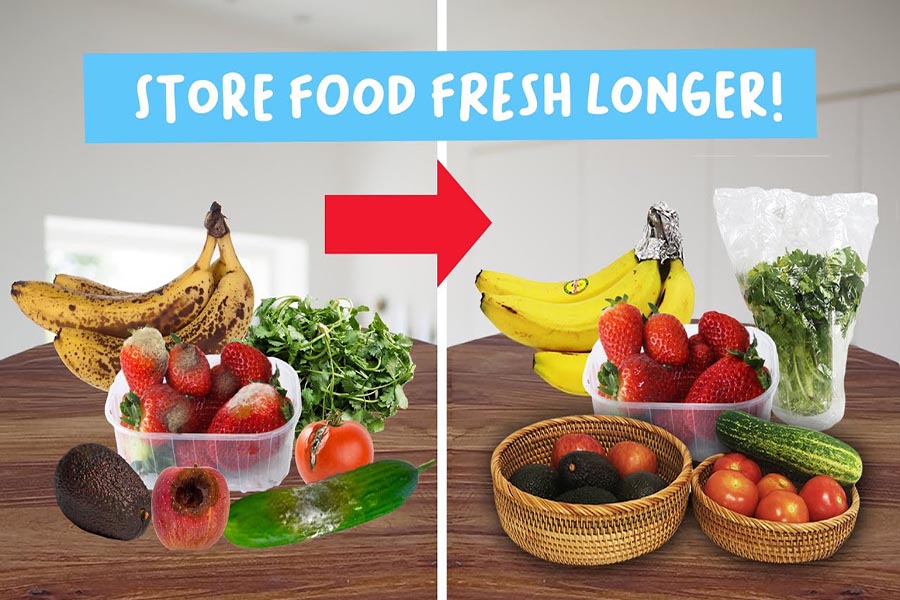
Few kitchen frustrations are more common than opening the crisper drawer to find a bag of slimy spinach, rubbery carrots, or moldy bell peppers that were purchased just days earlier. Food waste hits household budgets directly and disrupts weekday meal routines, forcing unplanned trips to the grocery store or last-minute takeout orders. Most vegetables do …
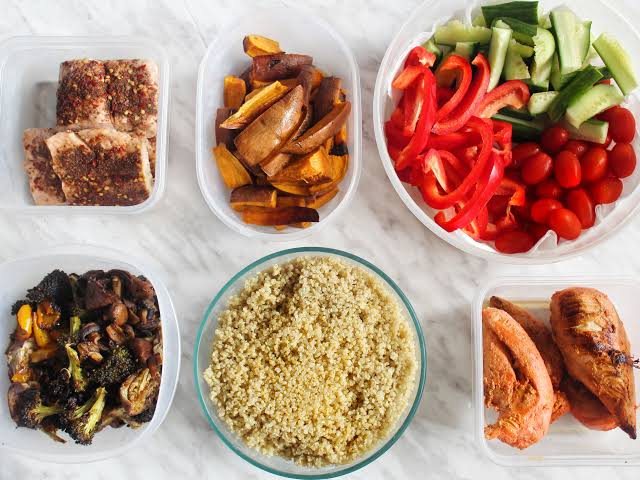
Traditional meal planning usually starts with a stack of cookbooks or a recipe app. You browse elaborate dishes, assemble a long list of specialty ingredients, and spend significant money at the supermarket, only to return home and shove new groceries in front of items already sitting on your shelves. Within days, leftover produce wilts in …
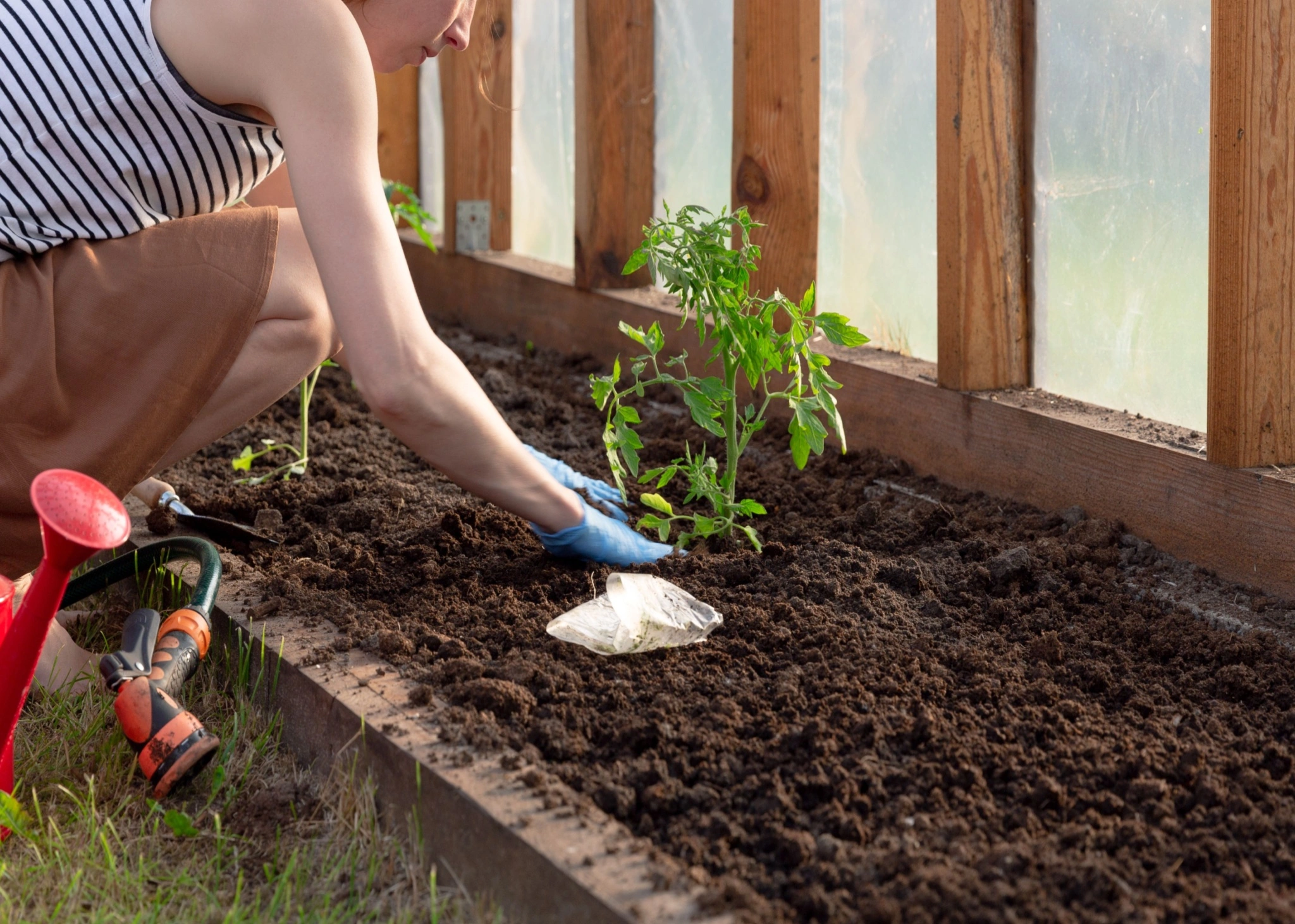
Seasonal transitions present some of the most challenging conditions a garden will face all year. Whether shifting from gentle spring rains into scorching summer heat waves, or transitioning from autumn warmth into sudden overnight freezes, rapid temperature swings test a plant’s vascular system. Plants possess remarkable biological mechanisms to handle cold and heat, but these …
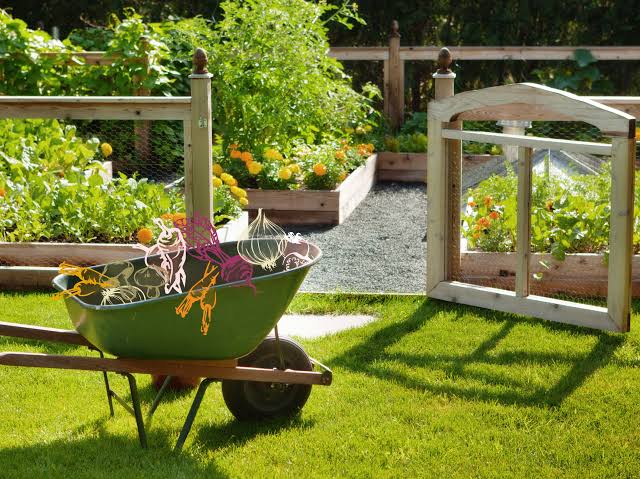
Starting a food garden does not require sprawling acreage or multiple raised beds. In fact, large traditional plots frequently overwhelm beginners with intensive weeding, heavy tilling, and uneven watering demands. A small, well-planned vegetable garden—whether set on a compact patio, along a narrow side yard, or on a townhouse balcony—often produces significantly higher yields per …
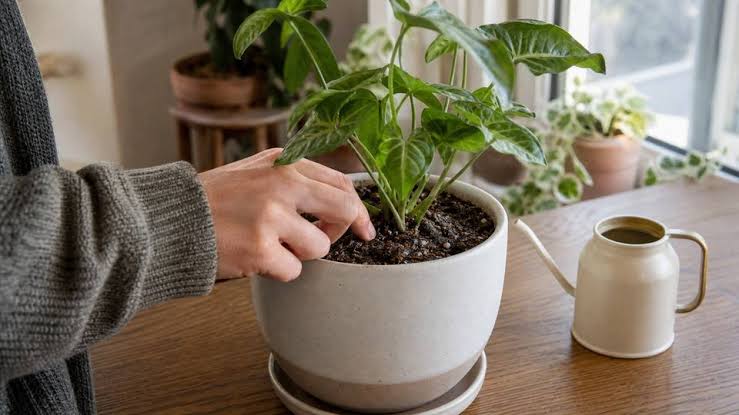
Overwatering is the single most common reason potted plants fail. Most plant owners assume overwatering simply means pouring too much water into the pot at one time. In reality, overwatering is almost always a problem of frequency and poor soil oxygenation, not the physical volume of water delivered in a single session. When potting mix …
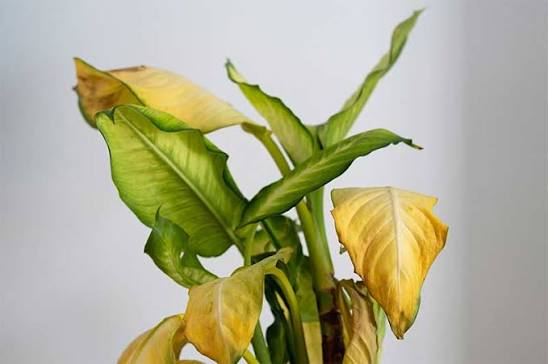
Finding a bright yellow leaf on an indoor plant is one of the most common warning signs a plant owner faces. The typical reaction is immediate intervention: drenching the dry surface with water, pouring in a heavy dose of liquid fertilizer, or moving the pot directly onto a blazing windowsill. These rapid, unverified fixes often …
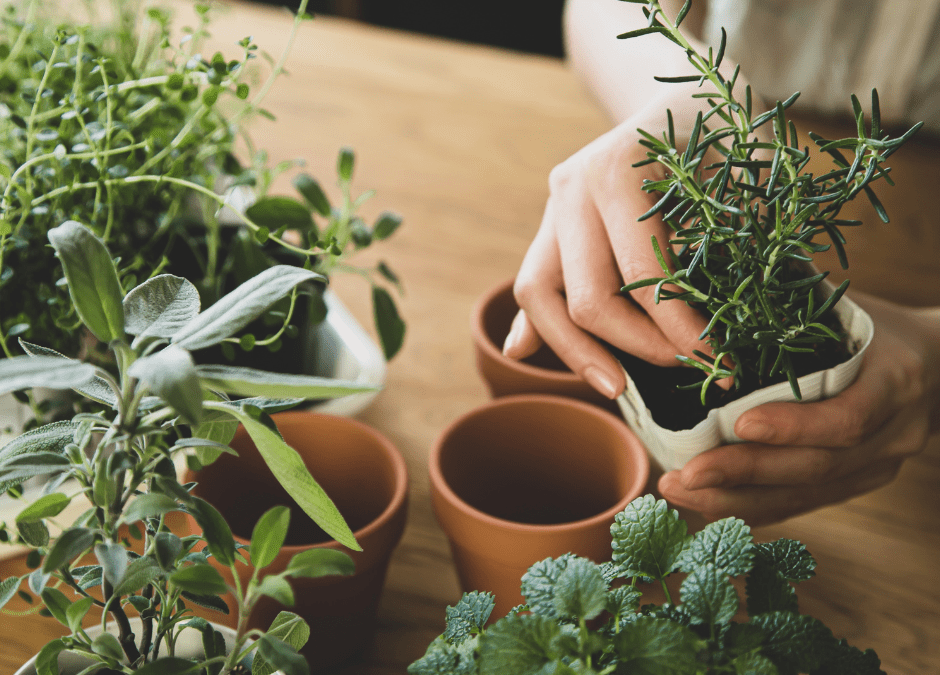
Growing culinary herbs at home is one of the most rewarding gardening projects, offering fresh flavor steps away from the kitchen. Yet, many beginner herb gardens fail within the first month. Potted basil suddenly wilts despite daily watering, rosemary foliage turns brown from the bottom up, and seedlings fail to establish strong root systems. In …