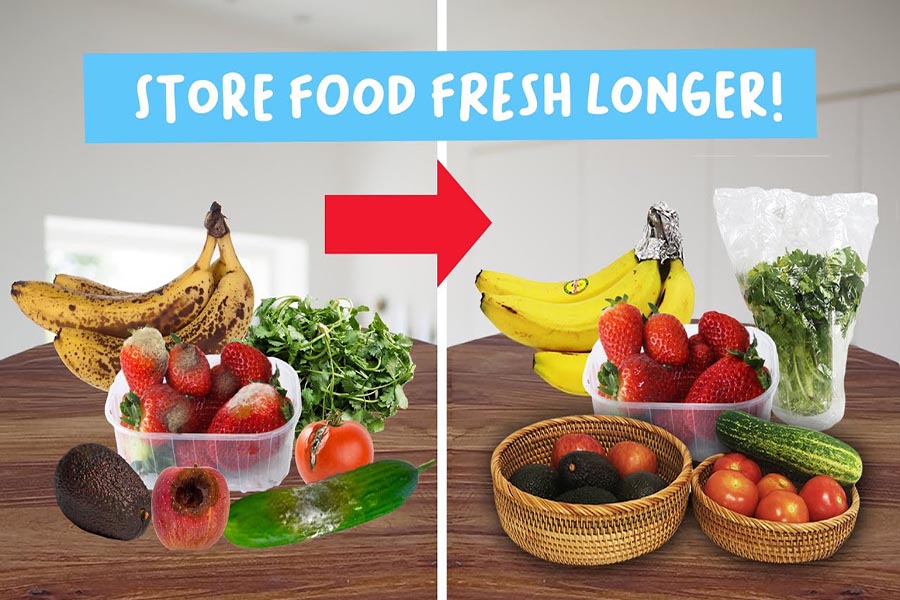
Few kitchen frustrations are more common than opening the crisper drawer to find a bag of slimy spinach, rubbery carrots, or moldy bell peppers that were purchased just days earlier. Food waste hits household budgets directly and disrupts weekday meal routines, forcing unplanned trips to the grocery store or last-minute takeout orders.
Most vegetables do not spoil rapidly because they were low quality when purchased; they spoil because they are stored under the wrong environmental conditions. Every vegetable is living plant tissue with specific requirements for temperature, ambient humidity, and airflow. Storing an onion next to a potato, sealing damp lettuce in an airtight plastic bag, or setting your refrigerator crisper drawers to the wrong humidity setting accelerates cellular breakdown and invites mold.
Extending the life of your produce requires matching your storage techniques to the biological needs of each vegetable group. Here is a practical, science-backed guide to storing everyday fresh vegetables correctly at home.
1. The Three Produce Zones: Counter, Dry Pantry, and Refrigerator
The first step in proper vegetable storage is sorting produce into its correct climate zone immediately upon returning from the market. Placing cold-sensitive vegetables in the refrigerator causes chilling injury, while leaving moisture-sensitive greens at room temperature causes rapid wilting.
+--------------------+-------------------------------------------+-----------------------------------------------+
| Storage Zone       | Best Suited Produce                       | Ideal Storage Conditions                      |
+--------------------+-------------------------------------------+-----------------------------------------------+
| Cool, Dark Pantry  | Potatoes, sweet potatoes, dry onions,     | 50°F–60°F (10°C–15°C); well-ventilated,       |
| (Out of direct sun)| shallots, garlic, hard winter squash      | dark, dry; keep onions and potatoes separated |
+--------------------+-------------------------------------------+-----------------------------------------------+
| Room Temperature   | Whole tomatoes, winter squash (short term)| 65°F–70°F (18°C–21°C); out of direct sunlight,|
| Countertop         | fresh ginger, unpeeled whole eggplants    | stems-down on flat surfaces                   |
+--------------------+-------------------------------------------+-----------------------------------------------+
| Refrigerator       | Leafy greens, herbs, broccoli, carrots,   | 34°F–38°F (1°C–3°C); split between high- and  |
| (Crisper Drawers)  | celery, asparagus, bell peppers, cucumbers| low-humidity settings; wrapped correctly      |
+--------------------+-------------------------------------------+-----------------------------------------------+
Zone A: The Cool, Dark Pantry
Root tubers and alliums need airflow and darkness.
-
Potatoes and Sweet Potatoes: Store in a breathable crate, cardboard box, or paper bag in a dark closet or pantry. Light triggers chlorophyll production, turning potato skins green and creating bitter, toxic solanine. Never refrigerate raw potatoes; cold temperatures convert starches into reducing sugars, altering texture and darkening color during cooking.
-
Onions and Garlic: Require dry, well-ventilated conditions to keep paper-like skins dry and prevent fungal neck rot. Store in open mesh bags or wire baskets.
-
The Onion-Potato Rule: Never store onions and potatoes together in the same bin. Onions emit moisture and ethylene gas that trigger early sprouting and soft rot in nearby potatoes.
Zone B: The Countertop
Certain vegetables suffer textural degradation when refrigerated:
-
Tomatoes: Keep whole, uncut tomatoes at room temperature out of direct sun, ideally stem-side down on a flat dish. Temperatures below 55°F (13°C) suppress volatile flavor compounds and break down cell membranes, resulting in a mealy, flavorless texture. Only refrigerate tomatoes once they are fully ripe and beginning to soften, or after they have been cut.
-
Cucumbers and Eggplants: These subtropical vegetables are sensitive to chilling injury. If kept in the coldest parts of a refrigerator, cucumbers develop sunken pits, water-soaked spots, and accelerated rot within three to five days. Keep them on the counter for short-term use (2–3 days), or store them on the warmest middle shelf of the refrigerator wrapped in a dry cotton cloth.
2. Refrigerator Storage: Mastering Humidity and Crisper Drawers
Modern refrigerators feature adjustable crisper drawers with sliding vents. Understanding how these sliders operate makes a dramatic difference in shelf life:
High-Humidity Setting (Vents Closed)
Closing the vent creates a sealed chamber that traps natural water vapor transpired by produce. This maintains high relative humidity (around 90–95%) while preventing drying airflow from the refrigerator motor.
-
Store Here: Everything prone to wilting or moisture loss. This includes leafy greens (spinach, kale, romaine), broccoli, cauliflower, carrots, radishes, green beans, and fresh soft herbs.
Low-Humidity Setting (Vents Open)
Opening the vent allows air to circulate freely and provides an escape path for natural ethylene gas emitted by ripening produce.
-
Store Here: Produce that benefits from a drier environment or items that emit high levels of ethylene gas. In mixed crisper setups, place apples, pears, melons, and bell peppers here.
3. Specific Techniques for High-Turnover Fresh Vegetables
Different vegetable families have unique moisture requirements. Applying these targeted methods will extend the usable life of everyday vegetables by one to two full weeks:
1. Leafy Greens (Spinach, Lettuce, Kale, Arugula)
Excess moisture sitting directly on leaf surfaces causes bacterial soft rot, while bone-dry air causes wilting.
-
The Paper Towel Buffer: Transfer unwashed greens from tight grocery plastic bags into a spacious airtight container or large zip-top bag lined with dry paper towels or clean cotton tea towels.
-
The paper towel absorbs condensation and moisture droplets while the sealed container keeps the surrounding air humid, keeping greens crisp for up to two weeks.
2. Root Vegetables (Carrots, Radishes, Beets)
-
Remove the Green Tops Immediately: Leafy green tops continue to draw moisture and nutrients upward from the taproot long after harvest, turning firm roots rubbery within 48 hours. Cut green tops off immediately, leaving roughly a quarter-inch of stem.
-
Storage: Store trimmed roots in a perforated plastic bag inside the high-humidity crisper drawer. For maximum crunch over weeks, carrots and radishes can also be stored fully submerged in an airtight glass container filled with clean cold water in the refrigerator (change water every 3–4 days).
3. Celery and Asparagus
-
Celery in Aluminum Foil: Instead of wrapping celery in plastic wrap (which traps natural ethylene gas and promotes decay), wrap whole celery stalks tightly in heavy-duty aluminum foil. Foil allows ethylene gas to escape while maintaining adequate moisture, keeping stalks crunchy for three to four weeks.
-
Asparagus as a Floral Arrangement: Trim a quarter-inch off the woody bottom ends of the asparagus spears. Stand them upright in a glass jar containing an inch of clean cold water. Loosely cover the tips with a plastic bag and place the jar in the refrigerator. This keeps spears firm and prevents tip decay for up to 10 days.
4. Fresh Culinary Herbs
-
Tender Soft Herbs (Cilantro, Parsley, Mint, Dill): Treat like fresh flowers. Trim stem ends, place upright in a jar with an inch of water, loosely tent a clean plastic bag over the foliage, and refrigerate. (Exception: Fresh basil turns black in the cold; store basil in a water jar on the room-temperature kitchen counter).
-
Hard Woody Herbs (Rosemary, Thyme, Oregano, Sage): Roll loosely in a slightly damp paper towel, slide into an unzipped plastic storage bag, and store in the crisper drawer.
4. Ethylene Gas Management: What to Keep Apart
Ethylene is a natural, odorless plant hormone produced by certain fruits and vegetables as they mature. It triggers ripening, but in ethylene-sensitive vegetables, it triggers premature yellowing, toughening, bitterness, and rotting.
+------------------------------------+-------------------------------------------+
| High Ethylene Producers            | Ethylene-Sensitive Vegetables             |
| (Keep separate from sensitive bins)| (Protect from proximity to producers)     |
+------------------------------------+-------------------------------------------+
| Apples, ripe bananas, cantaloupes, | Broccoli, cabbage, cauliflower, carrots,  |
| avocados, pears, ripe stone fruit, | cucumbers, leafy greens, lettuce, squash, |
| tomatoes (at room temperature)     | asparagus, potatoes                       |
+------------------------------------+-------------------------------------------+
-
Carrot Bitterness: Storing carrots in close contact with apples or pears exposes them to ethylene, which causes them to develop a harsh, bitter flavor (isocoumarin formation).
-
Broccoli Yellowing: Broccoli florets exposed to ethylene turn yellow and drop buds within days. Always keep broccoli isolated in the high-humidity vegetable drawer away from fruit bins.
5. Food Safety, Washing Rules, and Signs of Spoilage
Improper produce handling not only leads to wasted food but can also introduce foodborne pathogens like Listeria and Salmonella.
-
Do Not Wash Produce Before Long-Term Storage: Washing vegetables before putting them in the refrigerator introduces residual surface water that is nearly impossible to dry completely from stem crevices and leaf folds. Surface moisture feeds gray mold (Botrytis cinerea) and bacterial slime. Always store vegetables dry, and wash them thoroughly under cold running drinking water immediately before cooking or eating.
-
The “Two-Hour Cut Rule”: While whole, uncut vegetables can safely sit on counters or in pantries, once you chop, slice, peel, or cook fresh vegetables, USDA and FDA guidelines require them to be placed in an airtight container in the refrigerator within two hours (or within one hour if ambient temperatures exceed 90°F / 32°C).
-
When to Discard vs. Trim:
-
Firm Produce (Carrots, Cabbage, Bell Peppers): If a tiny spot of mold appears on dense, low-moisture produce, cut away at least one inch around and below the mold spot using a clean knife without touching the mold directly.
-
Soft Produce (Cucumbers, Tomatoes, Leafy Greens): If soft, high-moisture vegetables show signs of mold, rot, or foul-smelling slime, discard them entirely. Fungal hyphae and bacterial contamination penetrate deeply throughout soft tissue long before visible surface spore growth appears.
-
Frequently Asked Questions
Why do my bagged pre-washed salad greens spoil so fast after opening?
Commercial pre-washed salad greens are packaged using modified atmosphere packaging (MAP), which lowers oxygen levels to slow decay. Once the seal is broken, exposure to ambient air accelerates respiration. To extend their life, transfer leftover greens to an airtight storage container lined with a dry paper towel to capture trapped condensation.
Is it safe to eat potatoes that have sprouted or turned green?
Small sprouts on a firm potato can simply be carved out with a paring knife before cooking. However, if a potato has turned significantly green beneath the skin or feels soft and wrinkled, discard it. The green color indicates elevated solanine—a toxic glycoalkaloid that causes gastrointestinal distress, headaches, and a bitter taste, and is not destroyed by boiling or baking.
Can I freeze fresh raw vegetables directly to preserve them?
Most fresh raw vegetables cannot be frozen directly without losing their structure and flavor. Raw vegetables contain active enzymes that continue degrading color, texture, and vitamins even in freezing conditions. For best results, vegetables (like green beans, broccoli, carrots, and corn) should be briefly blanched in boiling water, plunged into an ice bath, drained thoroughly, and sealed in airtight freezer bags before freezing.
How do I stop mushrooms from getting slimy in the refrigerator?
Never store fresh mushrooms in a sealed plastic bag or airtight container. Mushrooms are high in moisture and respire rapidly, causing condensation to accumulate on plastic surfaces and resulting in dark, slimy tissue. Keep mushrooms in their original breathable perforated packaging, or transfer them to a brown paper bag. Paper allows moisture to escape while preventing the mushrooms from drying out completely.