How can I make good use of highlighters during my revision
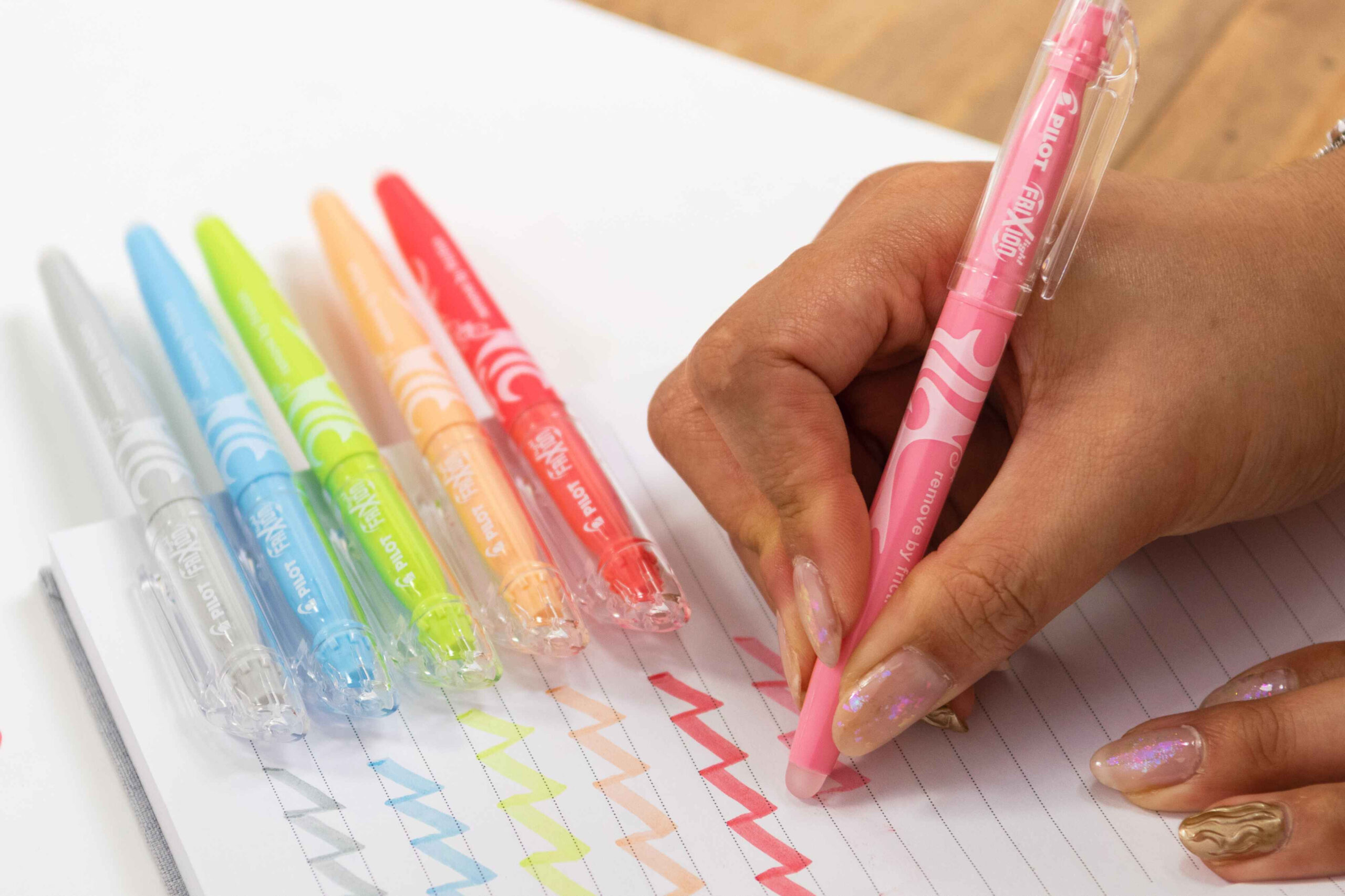
I’ve often been told to use color to learn my lessons better. The thing is, you have to do it right for it to be effective; it has the opposite effect. So, I’m going to show you my techniques for using your highlighters effectively when taking notes, reviewing, and writing on your index cards.
1. The first step takes place in class!
Okay, obviously, and this can’t be stressed enough, the first step to good revision is taking good notes during class. You probably already know that 80% of the work is done if you listen properly in class. So imagine what it’s like with good note-taking!
The idea during this phase is to use your highlighters initiallyto structure your notes and gain a clearer understanding when you revise. This also helps you highlight all the important concepts and those you want to explore further later.
By the way, we also recommend the Cornell note-taking method. This method divides your page into four distinct zones for flawless organization
- 1. The section at the top of the page is used to indicate the subject, date, and theme of the lesson.
- 2. The right-hand column is for taking notes during class.
- 3. The left-hand column is filled in during and after class with keywords, dates, and other essential information. It’s the perfect place to jot down questions that might appear on an exam!
- 4. Finally, the section at the bottom of the page is used to summarize your notes in your own words.
With these important elements highlighted and structured note-taking, you’re off to a very good start for the rest of your revisions.
2. Index cards, always index cards
Then, during your revision period, you’ll need to make flashcards if you want to revise effectively. Don’t wait more than three days, otherwise your notes might not be fresh in your mind anymore. A good flashcard requires a specific color code. For example, you can choose to highlight essential information in yellow, then use green for definitions and pink for dates.
And to make everything clear, try to keep this same color code for all your courses.
3. Some additional tips
Finally, here are a few bonus tips:
Don’t use too many different colors. Too many colors kill the color! Having a rainbow on your index cards will only confuse you, so try to use only 4 colors maximum.
Next, select only the core information. If an important concept is contained within a sentence, then highlight only that concept and not the entire sentence. Finally, vary your style: to make your notes more readable, don’t hesitate to use underlining or boxes.
Use quality highlighters—that is, highlighters that don’t bleed through the paper and have a bright color that will make reading easier. Plus, choosing fun colors will boost your motivation. It’s always more pleasant for your mood to work in color rather than black and white! You can find a selection of highlighters here.
4. And don’t stop there!
Are your highlighted flashcards finished? Don’t let them just sit in your drawers. Review them regularly. This will help strengthen your long-term memory and identify any weaknesses: Day + 10 min: reminder #1, Day + 3: reminder #2, Day + 7: reminder #3, Day + 30: reminder #4, Day + 6 months: reminder #5, Day + 1 year: reminder #6, Day + 3 years: reminder #7. This is the principle of spaced repetition, which allows information to be anchored in the brain over long periods.
To organize them effortlessly and always have them with you, feel free to scan them with the free Scribzee app. You can then review them wherever and whenever you want, even on the bus or at the library, without having to overload your bag.
In conclusion, highlighters can be a very effective revision tool, provided you use them wisely. By following these tips, you’ll be able to better organize your notes, identify important information, improve your understanding of concepts, and remember everything for exams!
Post Comment