Spelling awareness how to develop it
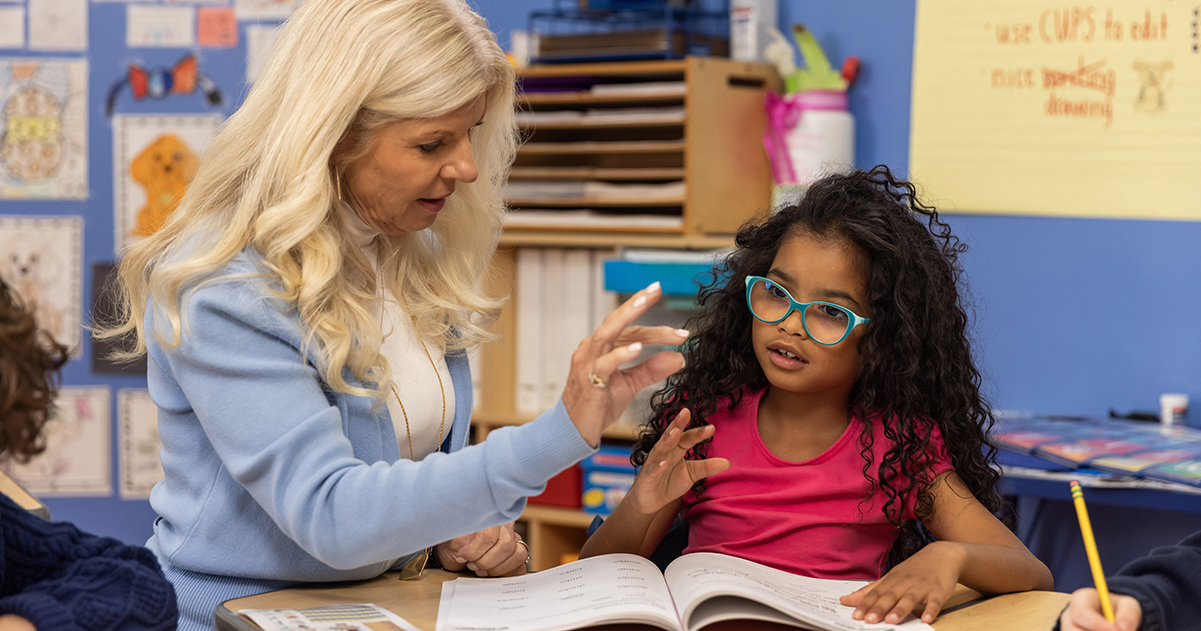
Spelling may seem complex, but it becomes a real game when children develop spelling awareness. More than just a skill, this concept encompasses reading, writing, and understanding words to provide a solid foundation in French. In this article, I invite you to discover the key elements for strengthening spelling awareness from teaching strategies to educational games, including tailored support. This is what will transform learning into a positive and enriching experience. Let’s get started!
What is spelling awareness?
Spelling awareness may seem like a technical concept, but it is actually an essential pillar of learning to read and write. To help you better understand this concept, spelling awareness is a child’s ability to identify and memorize the spelling of words, that is, the set of rules, letters, and structures that make up words in the French language.
Unlike simply memorizing visual images of words, orthographic awareness is a neural process that allows us to recognize regularities and irregularities in spelling in order to develop accurate reading and correct writing.
In the learning process, spelling awareness plays a central role as it helps children connect sounds (phonemes) to letters or groups of letters (graphemes) and thus read and write more accurately and automatically. A child who develops this spelling awareness strengthens their ability to identify the spelling features of words, allowing them to memorize them effectively. This improves not only their reading and writing skills but also their confidence when tackling unfamiliar or complex words. In the long term, this awareness greatly contributes to reading fluency and writing quality by minimizing errors and hesitations.
Phonological awareness and orthographic awareness–what are the differences?
It is important to distinguish between orthographic awareness and phonological awareness. Phonological awareness concerns the ability to perceive and manipulate the sounds of words, for example, to hear syllables, rhymes, and individual phonemes. In contrast, orthographic awareness goes beyond sounds to include the visual characteristics of words, that is, the spelling code.
While phonological awareness is essential for decoding words (the ability to “decode” words by reading aloud), orthographic awareness allows us to automatically perceive words and spell them correctly. It is therefore a complementary skill that enriches and consolidates phonological learning.
What are the key elements of spelling awareness?
Let’s get down to business! Spelling awareness is a bit like a mental toolkit for mastering words in all their details: letters, sounds, rules, and even roots! But what are these magical elements that make spelling more intuitive and accessible for our children?
The only things a child should hear about spelling
Too many children hear from a very young age that spelling is complicated! At home, at school, everyone unconsciously conveys this message. Is French spelling complicated? No, absolutely not. In fact, the only difficulty in French lies in the letters we write but don’t pronounce.
It often happens that a child, and sometimes even an adult, asks: “How do you spell that word?” Too often, they’ll hear the answer: “It’s easy, it’s spelled the way it’s pronounced.” But spelling is a code; it can’t be guessed. If we want to help our children with spelling, let’s start by adopting a good, positive, and structured teaching approach.
Recognizing the correspondences between sounds and letters
Imagine that each word is a kind of sound and visual puzzle. The first step in developing spelling awareness is learning to associate sounds (or phonemes) with the correct letters (or graphemes). For example, understanding that the sound “o” can be represented by “au” or “eau” in words like automobile or beaucoup. This ability to identify the correspondences between sounds and letters helps children read and write more easily,b ut also to guess the spelling of unfamiliar words by relying on patterns they have already seen.
Understanding spelling rules and morphology
Spelling rules and word structures might seem technical, but they’re actually what makmakeelling so much more fun! Learning the basic rules (like adding an “s” for plurals or how prefixes and suffixes transform words) helps strengthen spelling awareness . Mrphology also means knowing that a word can be broken down into smaller parts (root, prefix, suffix) to understand its meaning and spelling. For example, once you know the root “port” (in words like “transport,” “important,” and “rapport”), you start to see connections between words, which enriches your vocabulary as well as your spelling !
Direct influence on vocabulary and spelling
The magic of spelling awareness is that it doesn’t stop at spelling words; it also boosts vocabulary! The more a child recognizes spelling patterns and word structures, the more new and varied words they can absorb. Through reading and writing, vocabulary expands, and spelling rules become second nature. And all this thanks to this precious spelling awareness that transforms reading and writing into a logic game where words take on their full meaning.
How to develop spelling awareness in children?
To help children master the mysteries of spelling, nothing beats fun activities, well-designed tools, and personalized support. Developing spelling awareness is like giving children a compass to navigate the world of words: it’s a real adventure!
Educational activities to strengthen spelling awareness
Providing varied and stimulating activities is essential to help children make the connection between sounds and letters, while also learning spelling rules in a fun way. Activities like the Memograph (featured in the Ortho’gaffes training ), where children take the time to focus on recalling words and strengthening their spelling awareness, or the sentence technique where they learn to manipulate word meaning, are very effective in establishing good spelling habits Other activities, such as word puzzles, also allow children to explore word structure by breaking them down into syllables, roots, prefixes, and suffixes a practical method for grasping the subtleties of language!
Tools and resources available: games, applications, and more!
There’s no shortage of resources to make spelling child’s play! Numerous interactive tools exist that captivate students’ attention while strengthening their spelling awareness. Educational board games like Scrabble Junior or Boggle encourage children to play with words and reinforce their skills without even realizing it! These accessible and age-appropriate tools transform learning into a pleasant and motivating experience. For these activities to be enjoyable and effective, it’s essential to have activated the spelling awareness process using the techniques and tools I offer in the Ortho’gaffes training courses
Appropriate monitoring is essential to adapt learning.
As with any learning process, monitoring is key to success. By regularly assessing their progress, we can better target areas for improvement and reinforce what they’ve learned. Providing positive and constructive feedback is essential to encourage children to persevere, even when faced with difficulties. Showing them their progress, praising their achievements, and guiding them with kindness when they encounter obstacles is what will help them move forward with confidence. It’s a true virtuous circle: every success, big or small, boosts self-confidence and inspires them to continue exploring the fascinating world of spelling!
Developing spelling awareness is a precious gift we can offer children to help them achieve confident mastery of reading and writing. By creating a stimulating and supportive environment where every step forward is celebrated, we not only impart essential skills but also the joy of learning. With appropriate tools and consistent support, every child can discover the pleasure of playing with words and exploring the fascinating world of spelling. Up to you
Post Comment